The Self-Improving System: How Adaptive Learning Makes Your AI Co-Pilot Smarter Every Day


In the world of freight, change is constant. Rates swing, carriers reshuffle capacity, and facilities adjust appointment rules. A process that worked perfectly last week can unravel overnight because one dock changed hours, or a carrier stopped answering unknown numbers. When the flow of operations is constantly shifting, the underlying technology must adapt quickly.
But most automation tools are fixed the moment they are deployed. Workflows get configured, rules get written, and the system goes live. From there, they repeat the same behaviors, regardless of whether those actions are producing good outcomes. That gap creates quiet drag across the operation. Operators learn to compensate through workarounds, and small inefficiencies start to stack up.
Freight teams need tools that learn from outcomes. A browser-based system can observe what’s happening across calls, updates, and day-to-day decisions, both passively in the background and actively as tasks unfold. When that operational data is captured and connected, it becomes the foundation for better decisions and technology that evolves alongside the business instead of falling behind it.
The Problem with “Set It and Forget It” Automation
The first version of automation usually looks great. A rules-based workflow handles check calls. A script sends appointment messages. A bot updates the TMS. For a short period, everything may feel faster and lighter.
Then the edge cases start to creep in. A facility requires something new. A carrier starts communicating differently. A particular lane needs a slightly different sequence. The system keeps doing exactly what it was told, even when it’s clear that approach isn’t landing.
As a result, humans must step in more frequently. They tweak things manually to override the bots. As this continues, teams stop trusting the technology, and usage plummets.
What is Adaptive Learning?
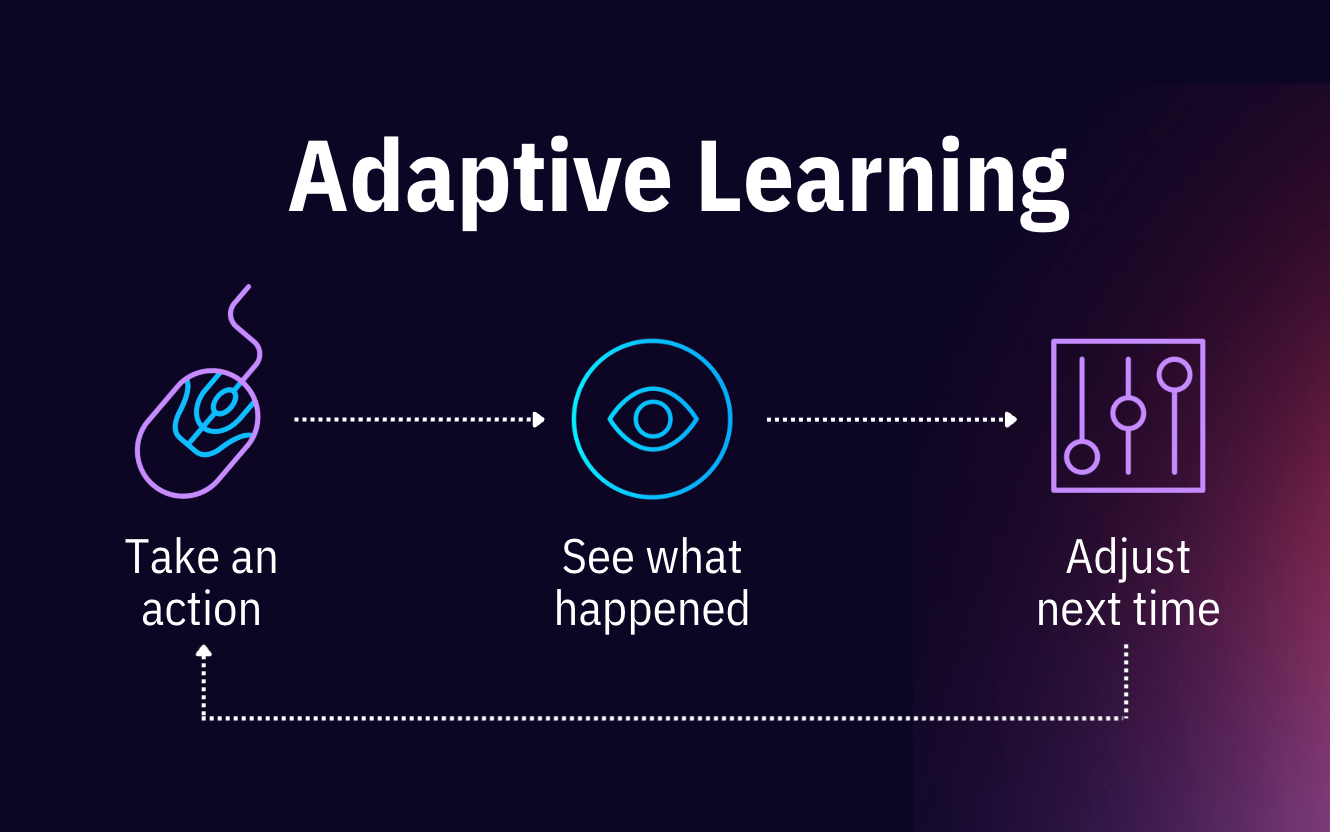
Adaptive learning sounds complicated, but the idea is simple:
- Take an action.
- See what happened.
- Adjust next time.
Rather than retraining models once per quarter, this loop runs continuously.
For example, if a certain approach consistently leads to faster confirmations, Envoy leans into it. If a tactic stalls conversations or creates extra follow-ups, the system adjusts course. Strategies evolve, guided by what works.
Over time, the AI starts to reflect the way your best operators think with less guessing, better pattern recognition, and fewer mistakes.
Learning How to Work Like a Top Carrier Rep
Anyone who has watched a great carrier rep work knows how much nuance lives in workflows and communication. Top reps don’t just follow a checklist or script—they read the room, adjust their tone, and know when to push or hold back. Those instincts usually take years to develop. Modern AI can accelerate that learning at scale, refining phrasing, pacing, and persistence based on what drives results.
But communication is only part of the equation. Sequencing tasks effectively can make the difference between a smooth day and repeated handoffs or bottlenecks. By analyzing historical outcomes, an AI system can optimize workflows, reduce retries, and anticipate exceptions before they happen, freeing human teams to focus on high-value decisions.
A key advantage is memory. An adaptive system accumulates knowledge of carrier preferences, facility patterns, and common exception paths. Over weeks and months, this knowledge compounds, allowing the system to handle routine operations with growing efficiency and confidence.
Continuous learning only works when it’s reliable. Guardrails, clear rules, and traceable decisions ensure humans stay in control, intervening only for true exceptions. Trust builds naturally as the system demonstrates consistent judgment, allowing teams to supervise rather than micromanage.
A Carrier Co-Pilot That Gets Better with You
Static tools will always struggle to keep up with a moving industry. Adaptive systems grow alongside it. When learning, memory, and orchestration come together, each day of work makes the next day smoother.
Interested in learning how our carrier co-pilot, Ellie, uses adaptive learning to improve operations? Click the link below.